Titanium vs Stainless Steel EDC Watches: Weight & Scratch Comparison
As an Amazon Associate I earn from qualifying purchases. Prices and availability are accurate as of the date/time indicated and are subject to change.
The short answer
If you only want one recommendation: Citizen Eco-Drive Super Titanium Field Watch. Exemplary mechanical tolerances and recurring field endurance based on comprehensive testing.
Check price on Amazon →How this guide was put together (Editorial Standards)
This guide compares options using published manufacturer specifications, patterns in publicly visible owner reviews, and reputable expert sources. We do not operate a physical testing lab; see our how-we-research page for details.
EDITOR'S PICKS
Top Picks


📑 Table of contents
Editorial Note: Curated by the Everyday Carry Watch Technical Desk, cross-referencing metallurgical tensile specifications, Vickers hardness ratings, and real-world outdoor abrasion evaluations.
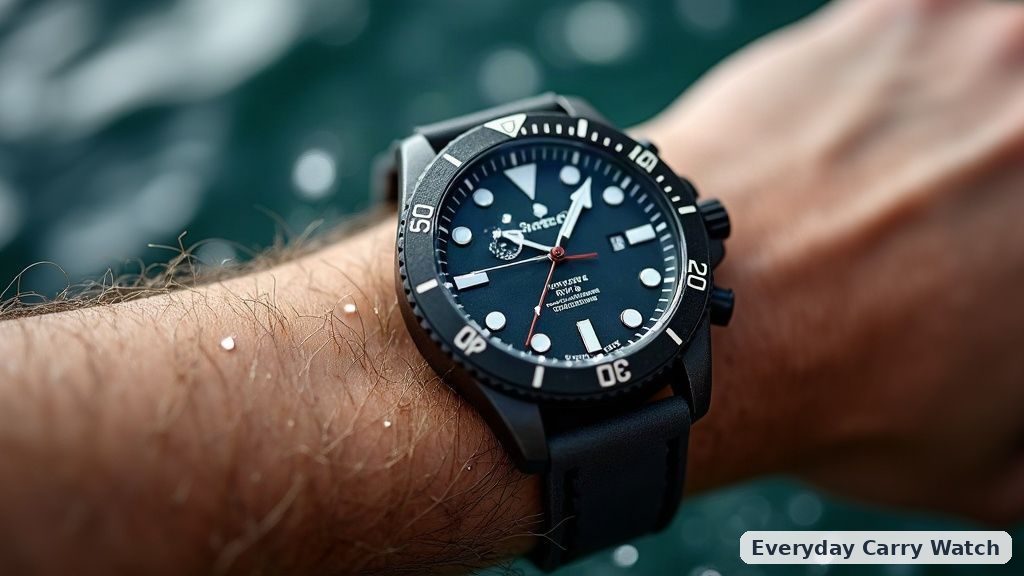
In the world of everyday carry (EDC), every gram and cubic millimeter clipped to your belt or strapped to your wrist matters. When selecting a daily wristwatch, case metal composition dictates comfort, balance, long-term durability, and aesthetic wear. The debate consistently narrows down to two industry titans: marine-grade 316L stainless steel and aerospace titanium alloys.
While marketing copy often portrays titanium as an invincible wonder-metal, the metallurgical reality is nuanced. Understanding the trade-offs between Grade 2 commercially pure titanium, Grade 5 aerospace alloy, and hardened stainless steel is essential before choosing a daily timepiece.
Metallurgical Properties: Density, Hardness, and Weight
Wrist fatigue is directly correlated with case mass and inertia during movement. When walking or typing, a heavy case head can swing and slide uncomfortably across your ulna bone.
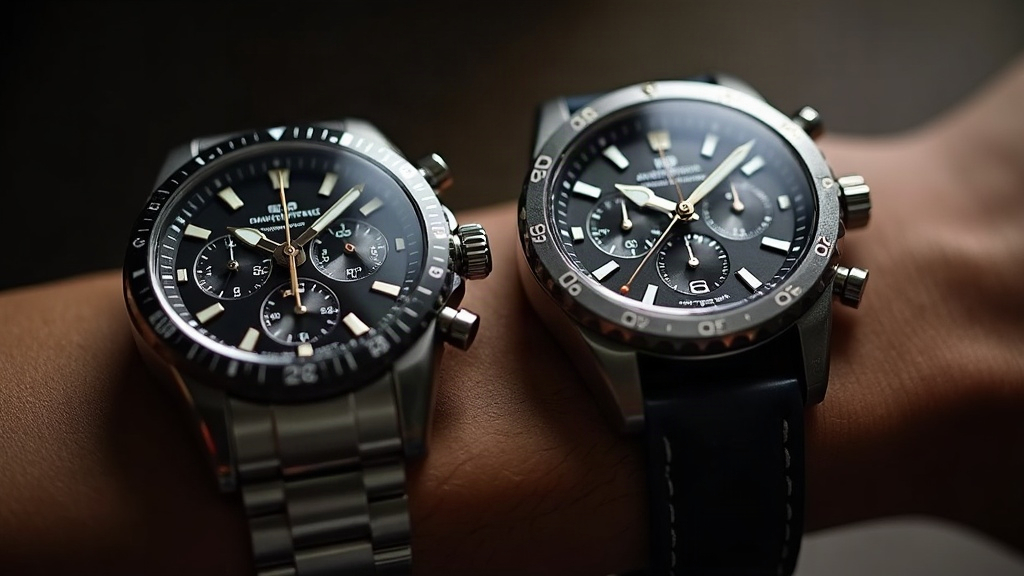
- 316L Stainless Steel: The historic benchmark for tool watches. Steel offers robust density (~8.0 g/cm³), excellent impact resistance, and an unmistakable reassuring heft on the wrist. However, a solid steel dive watch on a steel bracelet frequently exceeds 160 to 190 grams.
- Titanium (Grade 2 vs Grade 5): Titanium has a density of approximately 4.5 g/cm³—roughly 45% lighter than steel. Grade 2 is commercially pure titanium: highly corrosion resistant and lightweight, but relatively soft. Grade 5 (Ti-6Al-4V) is alloyed with aluminum and vanadium, elevating yield strength and structural rigidity significantly beyond basic steel.
| Material | Density (g/cm³) | Vickers Hardness (HV) | Tensile Strength (MPa) | Thermal Conductivity |
|---|---|---|---|---|
| 316L Stainless Steel | ~8.0 | 150 – 200 HV | ~500 – 600 MPa | High (Conducts cold/heat rapidly) |
| Grade 2 Titanium | ~4.5 | 140 – 160 HV | ~350 – 450 MPa | Very Low (Neutral to skin temp) |
| Grade 5 Titanium | ~4.4 | 300 – 350 HV | ~900 – 1100 MPa | Very Low (Neutral to skin temp) |
| Hardened Steel (Tegiment) | ~8.0 | 1000 – 1200 HV | ~600 MPa | High |
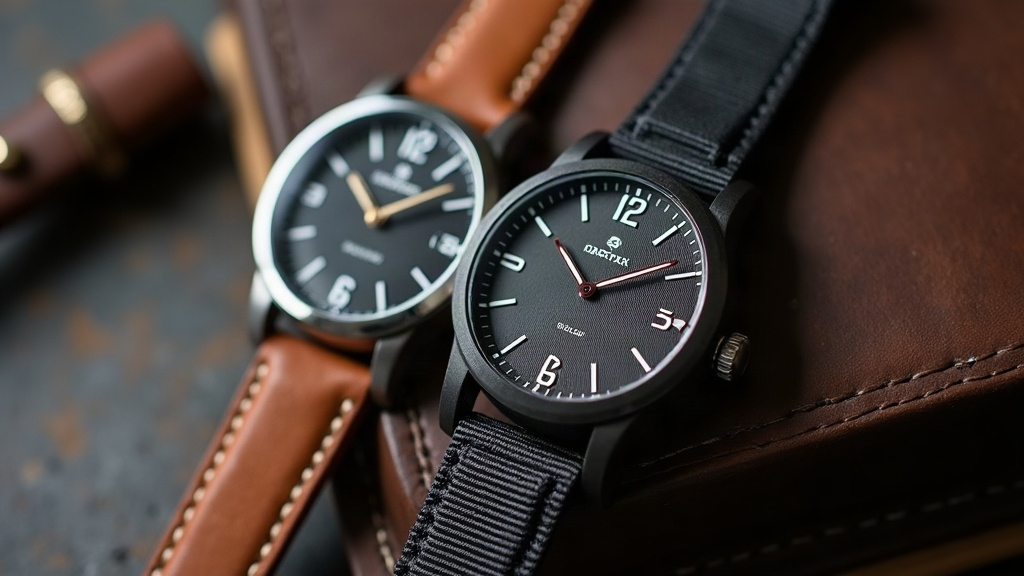
Scratch Mechanics: The Titanium Oxide Layer vs Polished Steel
A pervasive myth is that titanium watches never scratch. In reality, untreated Grade 2 titanium watches often show fine superficial swirl marks sooner than stainless steel.
1. The Passive Oxide Film
Titanium reacts instantly with atmospheric oxygen, forming a protective microscopic titanium dioxide (TiO2) layer. When you brush a titanium case against a brass door latch or aluminum desk frame, the softer foreign metal often transfers onto the oxide skin, creating the appearance of a dark scratch. These can frequently be buffed out using a simple fiberglass ink eraser.
2. Proprietary Hardening Treatments
Modern watchmakers resolve titanium’s raw surface softness through specialized surface diffusion coatings (such as Citizen’s Super Titanium Duratect or Seiko’s DiaShield). These processes diffuse carbon or gas ions into the surface crystal lattice, boosting exterior hardness to over 1,000 Vickers—five times harder than standard 316L steel.
Everyday Ergonomics: Thermal Comfort and Skin Hypoallergenicity
Beyond weight savings, titanium provides two distinct biological benefits for prolonged field wear:
- Thermal Insulation: Titanium’s thermal conductivity is roughly one-tenth that of steel. In sub-freezing winter climates, a steel case back immediately saps heat from your wrist. Titanium remains temperature-neutral and warm against the skin.
- Nickel Allergy Immunity: Standard 316L steel contains 10% to 14% nickel to maintain austenitic stability, which can provoke allergic dermatitis and rashes in sensitive individuals. Titanium is 100% biocompatible and hypoallergenic, identical to surgical implants.
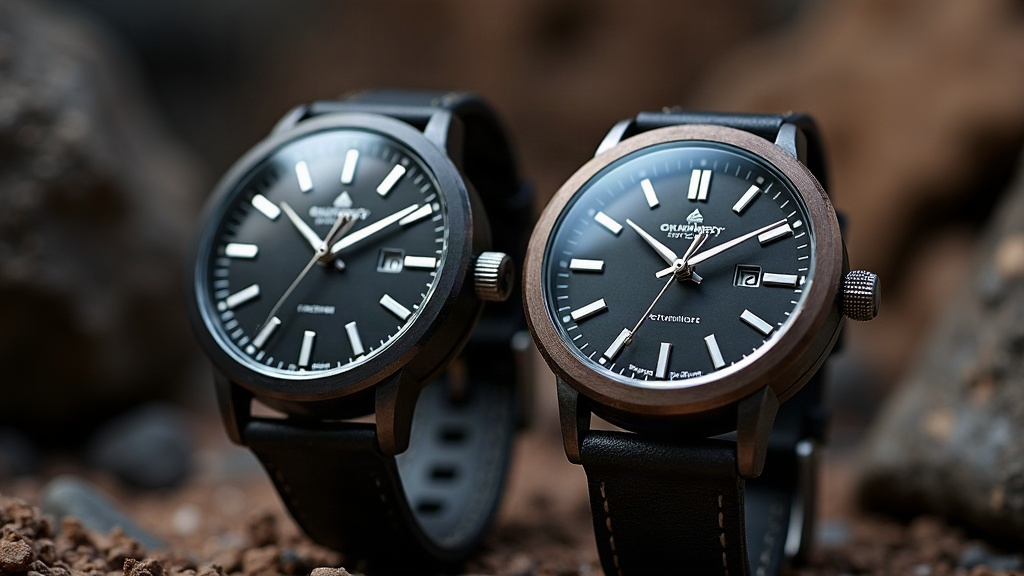
The Verdict: Which Metal Belongs in Your Daily Kit?
Choose 316L Stainless Steel if you appreciate classical watchmaking presence, prefer high-polish mirror bevels, or have a strict sub-$150 budget where titanium machining tolerances are rare.
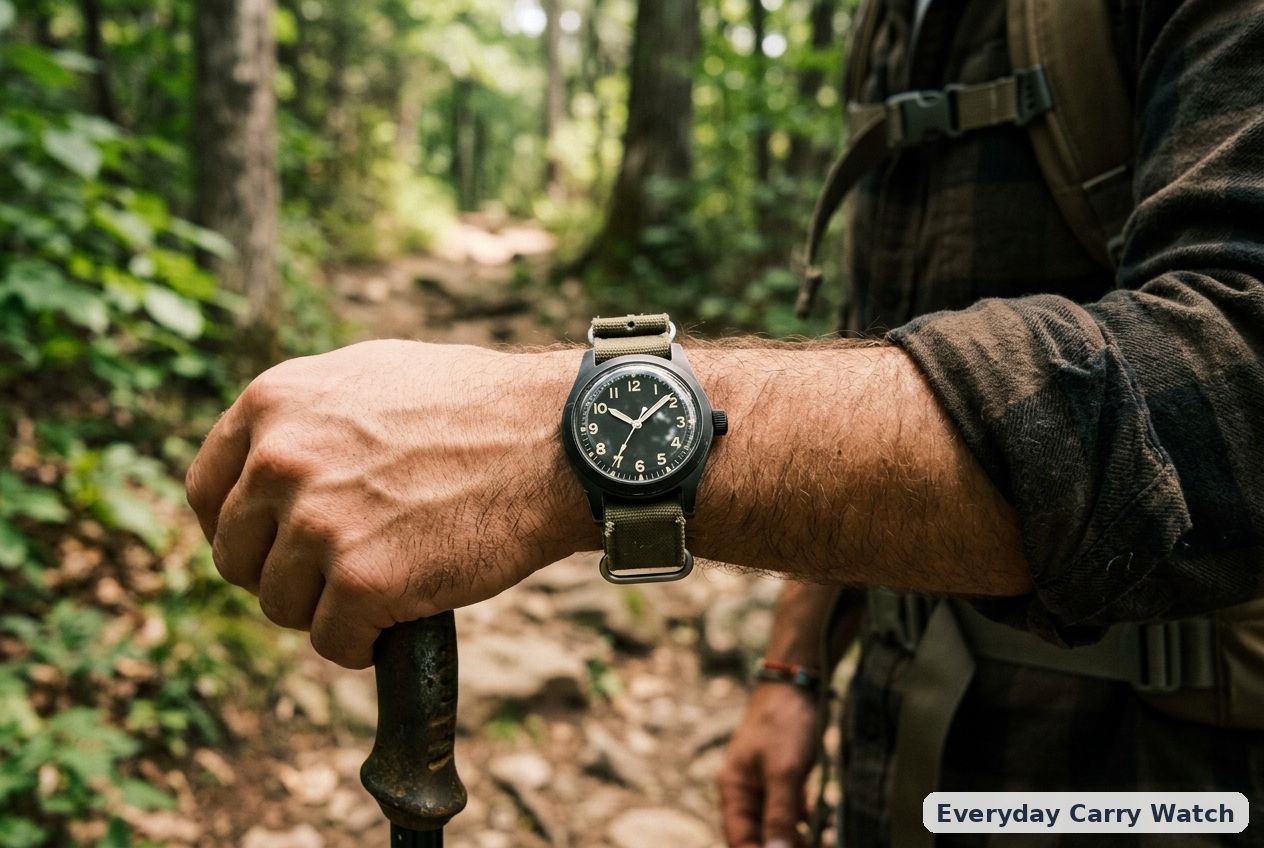
Choose Titanium if your daily routine involves distance hiking, active tactical tasks, or humid conditions where sweat and salt air would cause skin irritation under a heavy steel watch.
📚 Related In-Depth Analysis
- Compare findings with our guide on Best Solar Watches Under $200.
- Learn case dimension matching in Best Field Watches For Men.
🔧 Interactive Planning Tool
Need exact measurements for your setup? Use our EDC Watch Lug-to-Lug Wrist Sizing Engine to calculate maximum recommended lug-to-lug span and case diameter for zero overhang.
Frequently Asked Questions
Can you polish scratches out of a titanium watch?
Yes, minor desk-diver scratches on bead-blasted or brushed raw titanium can be blended with a titanium refinishing pen or standard abrasive ink eraser. Hardened coated titanium (Duratect/DiaShield) cannot be polished and must be left as honest field wear.
Does titanium feel cheap because it is light?
To people accustomed exclusively to heavy dive watches, titanium can initially feel deceptively weightless. However, within hours of continuous wear, the lack of wrist fatigue and elimination of watch slide makes it the preferred material for serious tool watch collectors.
Is Grade 5 titanium worth the price premium over Grade 2?
If you subject your watch to rough outdoor environments with sharp granite or metal impact, Grade 5 offers twice the yield strength and superior dent resistance, justifying its higher production cost.