Watch Movements Explained (2026): Mechanical, Automatic, Quartz & Solar
As an Amazon Associate I earn from qualifying purchases. Prices and availability are accurate as of the date/time indicated and are subject to change.
How we picked: This guide compares options using published
specifications, verified owner-review patterns and reputable expert testing.
We label clearly what is hands-on vs research-based, and never present others'
testing as our own.
Our top picks
| Rank | Product | Name | Why we picked it | Buy |
|---|---|---|---|---|
| Top pick |  | Citizen Promaster Eco-Drive (solar/light-powered, never needs a battery) | Check price | |
| Runner-up |  | Invicta Pro Diver Automatic (self-winding mechanical) | Check price | |
| Also great | 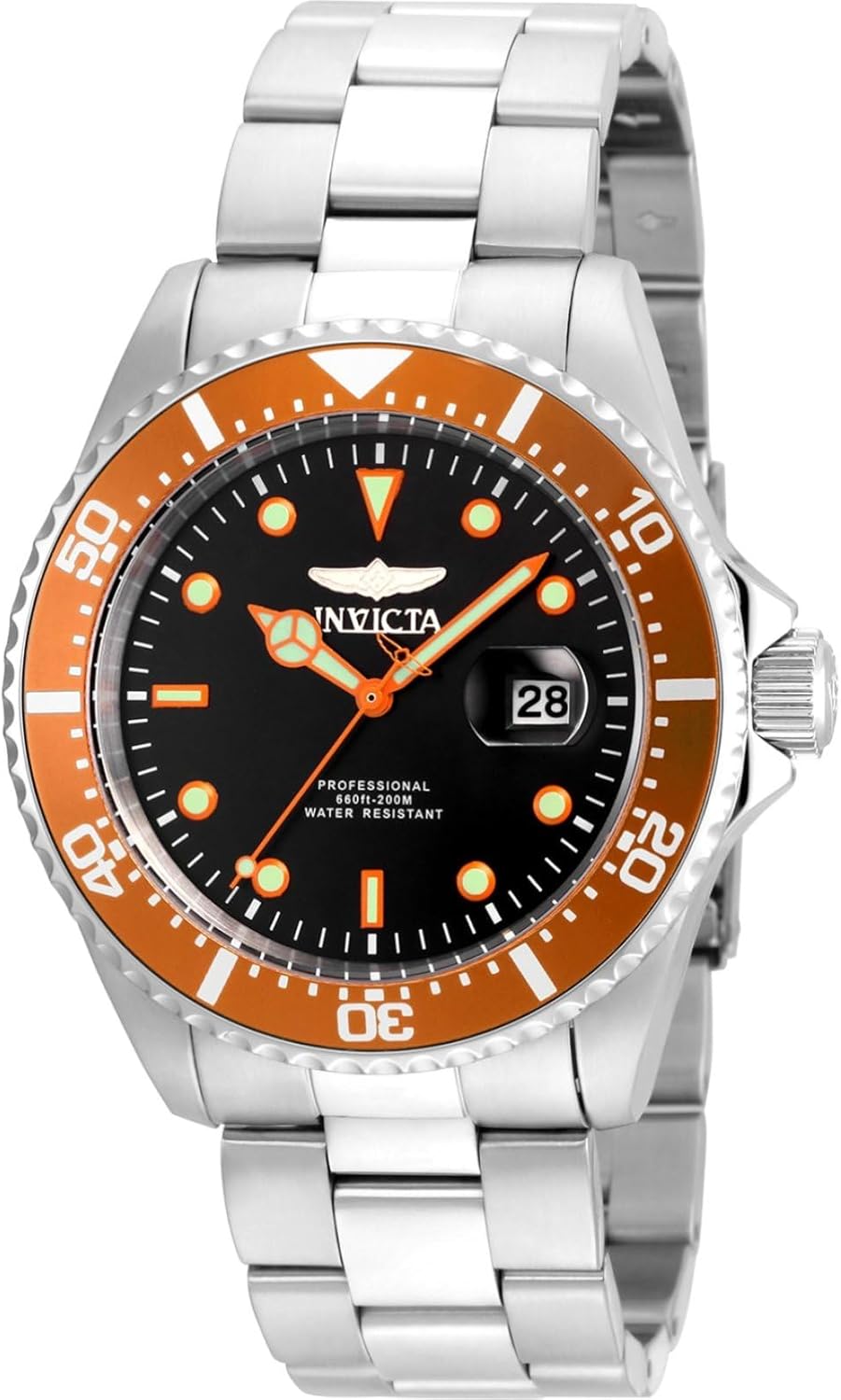 | Invicta Pro Diver Quartz (battery-powered, most accurate) | Check price |
Two watches can look identical and be completely different to live with, because of the movement — the engine inside that makes the hands move. The movement decides your watch’s accuracy, maintenance, lifespan, and even whether it ever needs a battery. Understanding the handful of common types is the fastest way to stop guessing and buy a watch that fits how you actually use it. Here’s each one, plainly.
The main movement types
- Quartz (battery): a battery sends current through a quartz crystal for extremely accurate, low-maintenance timekeeping. Cheapest, most accurate, needs a battery change every few years. The no-fuss default — like the Invicta Pro Diver Quartz.
- Mechanical (manual): powered by a mainspring you wind by hand. No battery, pure craft, needs winding regularly and is less accurate than quartz. For enthusiasts who enjoy the ritual.
- Automatic (self-winding mechanical): a mechanical movement that winds itself from the motion of your wrist (a rotor). No battery, no daily winding if you wear it often — like the Invicta Pro Diver Automatic. Less accurate than quartz; stops if left unworn.
- Solar / light-powered (e.g. Eco-Drive): a solar cell charges a rechargeable battery from any light. Never needs a battery change, accurate like quartz — the Citizen Eco-Drive is the best-known. The closest thing to a set-and-forget lifetime watch.
How to choose the right movement for you
- Want accuracy and zero fuss: quartz or solar. Solar if you hate battery changes.
- Want mechanical charm and don’t mind maintenance: automatic (if you wear it often) or manual (if you enjoy winding).
- Want a true lifetime “grab and go”: solar (Eco-Drive) — light-powered, accurate, no battery, and on a genuine tool watch like the Promaster it’s about as low-maintenance as watches get.
What is the difference between automatic and quartz?
Quartz is battery-powered, more accurate, and lower maintenance; automatic is a self-winding mechanical movement with no battery, more character, and less accuracy that needs regular wear to keep running. We go deeper on that specific fork in automatic vs quartz everyday watch.
Is a solar (Eco-Drive) watch better than a battery watch?
For low maintenance, yes — a solar watch charges from light and never needs a battery change, which removes the one recurring chore of a quartz watch while keeping quartz-level accuracy. The trade-off is a slightly higher upfront cost. For a hassle-free everyday or dive watch, it’s a great choice.
Do automatic watches keep good time?
Reasonably, but not like quartz — an automatic typically runs several seconds off per day, and stops if you don’t wear it for a day or two (a watch winder or a quick manual wind fixes that). You buy automatic for the mechanical experience, not stopwatch accuracy.
The wrap-up
Pick the movement for how you live: quartz for cheap accuracy, solar/Eco-Drive for accuracy with zero battery hassle, automatic for mechanical charm you’ll wear often, manual if you love the ritual. The dial you like matters less than the engine you’ll actually enjoy owning — check which movement a watch uses before you buy. Once you’ve chosen, keep it running well with our watch care guide, and if you want a rugged solar or automatic diver, see best affordable dive watches.