Should You Sleep With Your Watch On? Real Trade-offs (2026)
As an Amazon Associate I earn from qualifying purchases. Prices and availability are accurate as of the date/time indicated and are subject to change.
How this guide was put together (Editorial Standards)
This guide compares options using published manufacturer specifications, patterns in publicly visible owner reviews, and reputable expert sources. We do not operate a physical testing lab; see our how-we-research page for details.
EDITOR'S PICKS
Top Picks

📑 Table of contents
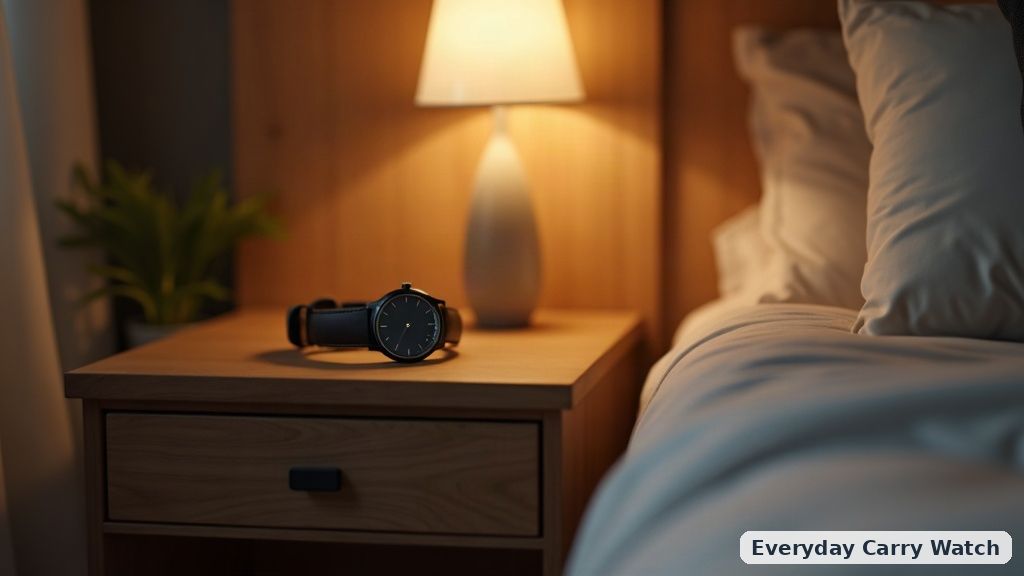
Is it actually bad to sleep with your watch on? Short answer: no, usually not — for either you or the watch. But there are a few situations where you should slide it off before bed. Here’s the honest breakdown.
Is it bad for the watch?
For most watches, sleeping doesn’t hurt anything. A wrist doing sleep-motions isn’t more stressful than a wrist doing awake-motions. That said:
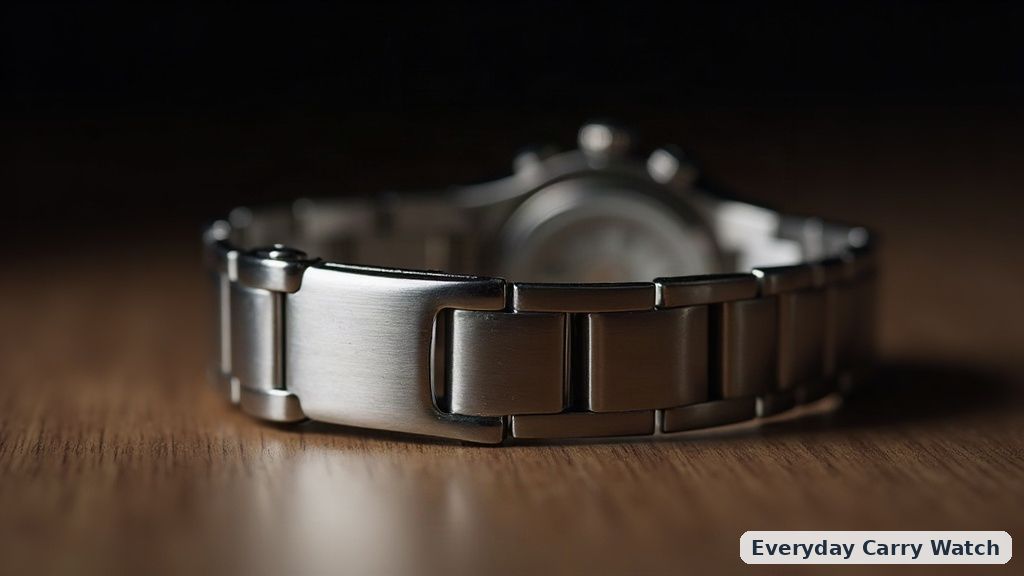
- Bracelets and clasps wear from being pressed against sheets and dragged across pillows. A quality bracelet handles it; a cheap one develops looseness at the pins faster.
- Automatics wind more slowly at rest. If you wear a mechanical automatic to bed and barely move, it may lose a few hours of reserve overnight. Not damage — just a re-set in the morning.
- Water resistance doesn’t help against bedding wear. WR ratings protect against liquid, not friction. See our water resistance guide for what those ratings actually mean.
Nothing here is destructive on any normal timeframe. It’s just a wear-vs-longevity trade-off.
Is it bad for you?
For most people, also no. But watch these specifics:
- A tight strap restricts circulation — you should be able to slide a finger under the strap when it’s fastened. Tighter than that overnight and you may wake with a numb hand.
- Skin under the strap doesn’t breathe. If you sweat a lot at night, moisture can trap and cause irritation. Rotate wrists or leave it off in humid climates.
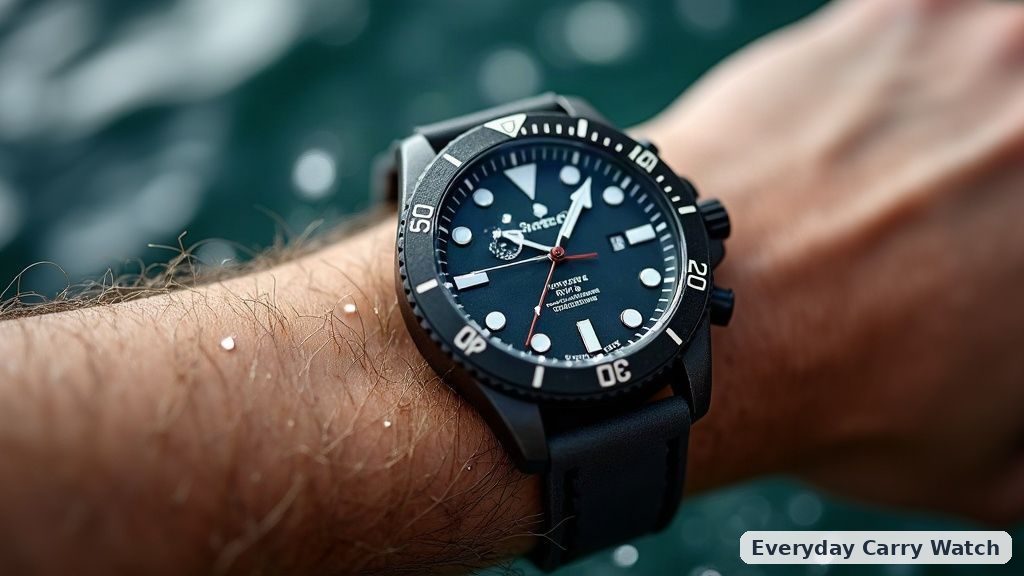
- Bright dials can disturb light-sensitive sleep. Rare, but relevant for glow-heavy dive watches in a pitch-dark bedroom.
- Sleep-tracking is the one case FOR wearing it. A watch with sleep tracking (or a fitness band) needs to be on your wrist overnight to measure — that’s the whole point.
Bracelets often feel worse to sleep in than fabric or rubber straps because metal is unyielding against a pillow. If you sleep in it regularly, a soft strap is worth trying — our lug width and strap size guide explains how to swap.
When to take it off
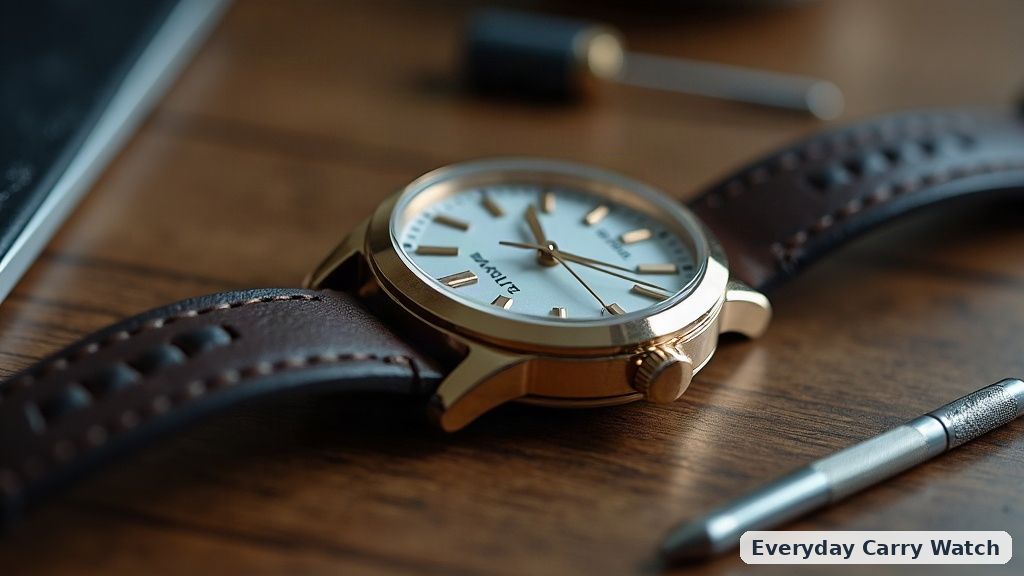
- Traditional dress watches on leather — leather absorbs sweat overnight, cracks faster, and smells over months.
- Watches with a snug tolerance clasp you’re constantly re-fitting.
- Battery-powered quartz where the battery is running low — you don’t want to be woken by it stopping (rare, but a real annoyance).
- Any time your wrist itches under the strap — that’s your body telling you.
When to keep it on
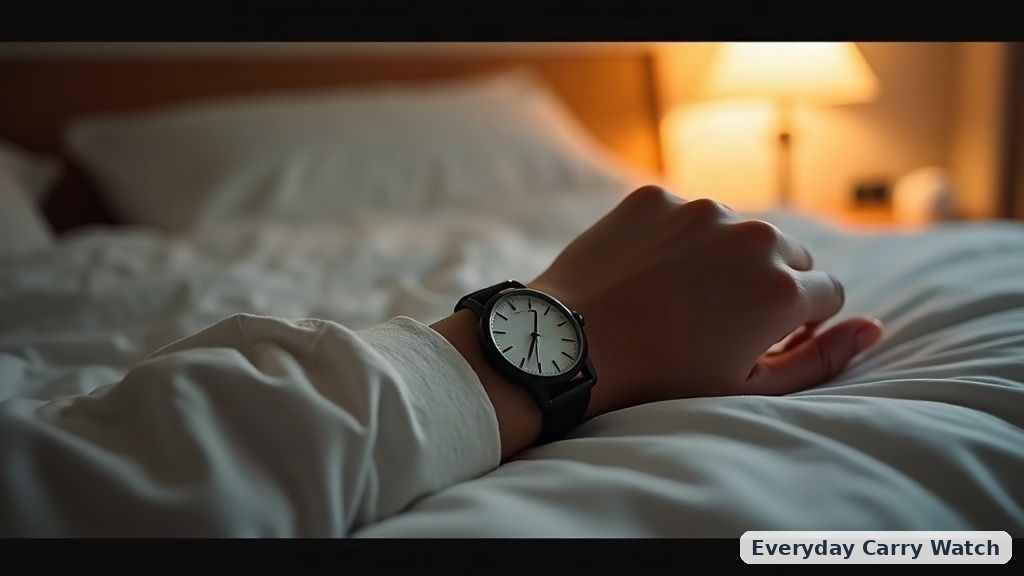
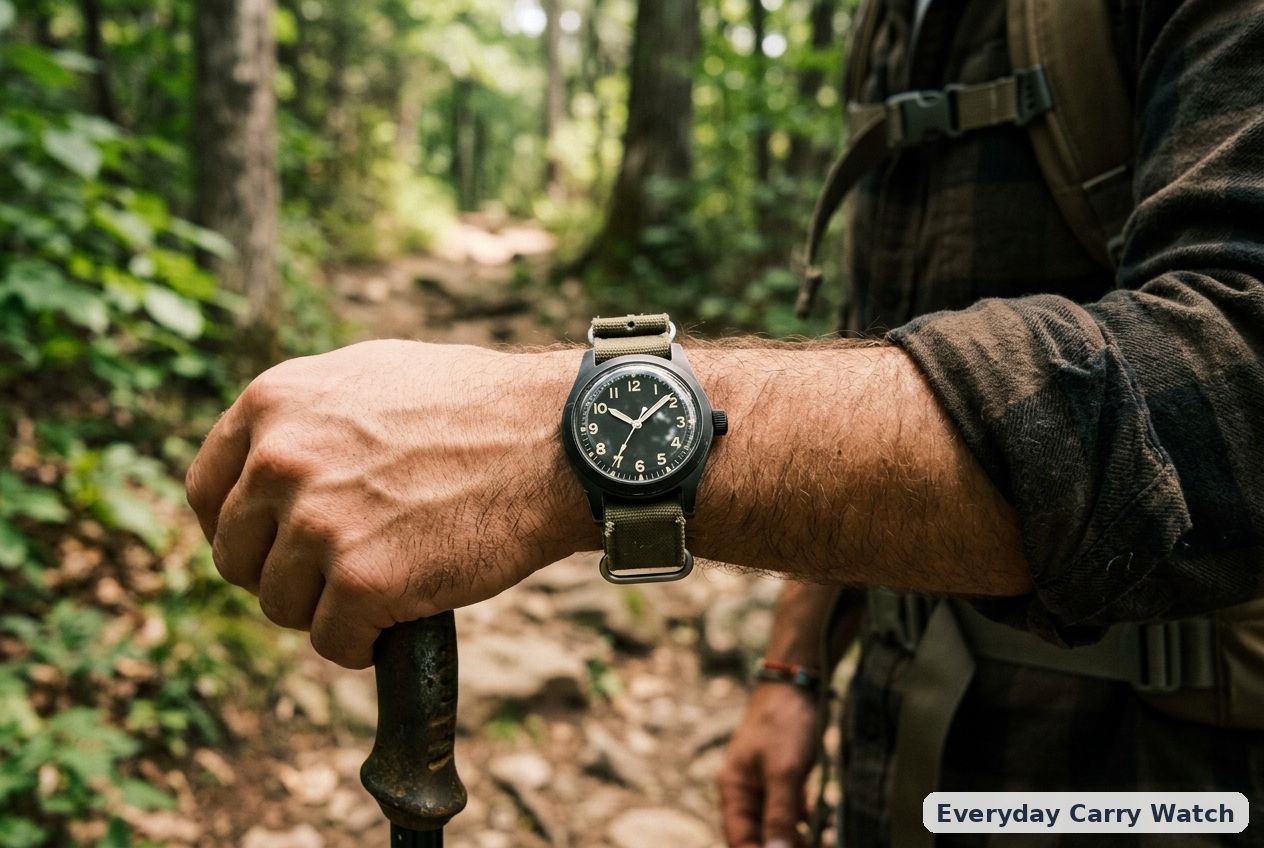
- Sport, dive, and field watches on rubber, silicone, or NATO are designed for it.
- Solar-powered watches don’t care about being off your wrist for a battery reason.
- Sleep-tracking watches — obviously.
- Traveling, especially camping or overnight flights, where losing the watch is a bigger concern than wearing it. Our watch care guide covers habits that keep it in shape either way.
📚 Related In-Depth Analysis
- Compare findings with our guide on Watch Movements Explained.
- Compare findings with our guide on How To Size A Watch Band.
📚 Related In-Depth Analysis
- Compare findings with our guide on Watch Lug Width Strap Size Guide.
- Compare findings with our guide on Dive Watch Water Resistance Explained.
🔧 Interactive Planning Tool
Need exact measurements for your setup? Use our EDC Lug-to-Lug Wrist Sizing Engine to Calculate maximum lug-to-lug span and ideal case diameter for zero overhang.
The bottom line
Sleeping with your watch on is fine for most people and most watches — the trade-offs are minor bracelet wear, slower automatic winding, and occasional skin irritation. Skip it for leather-strap dress watches, over-snug bracelets, and hot humid nights; keep it on for sport watches, solar movements, and any time you’re tracking sleep. Comfort and skin feel are the real deciders, not damage.