Watch Lug Width & Strap Sizes Explained: Get Bands That Fit (2026)
As an Amazon Associate I earn from qualifying purchases. Prices and availability are accurate as of the date/time indicated and are subject to change.
How this guide was put together (Editorial Standards)
This guide compares options using published manufacturer specifications, patterns in publicly visible owner reviews, and reputable expert sources. We do not operate a physical testing lab; see our how-we-research page for details.
EDITOR'S PICKS
Top Picks


The single most common strap-buying mistake is ordering by guesswork and getting a band that’s too wide or too narrow to fit. The number you actually need is the lug width — the gap between the lugs where the strap attaches. Get that right and swapping straps is a two-minute job that transforms a watch. Here’s how to measure it and read every other strap spec.
What lug width is (and why it’s the only number that must match)
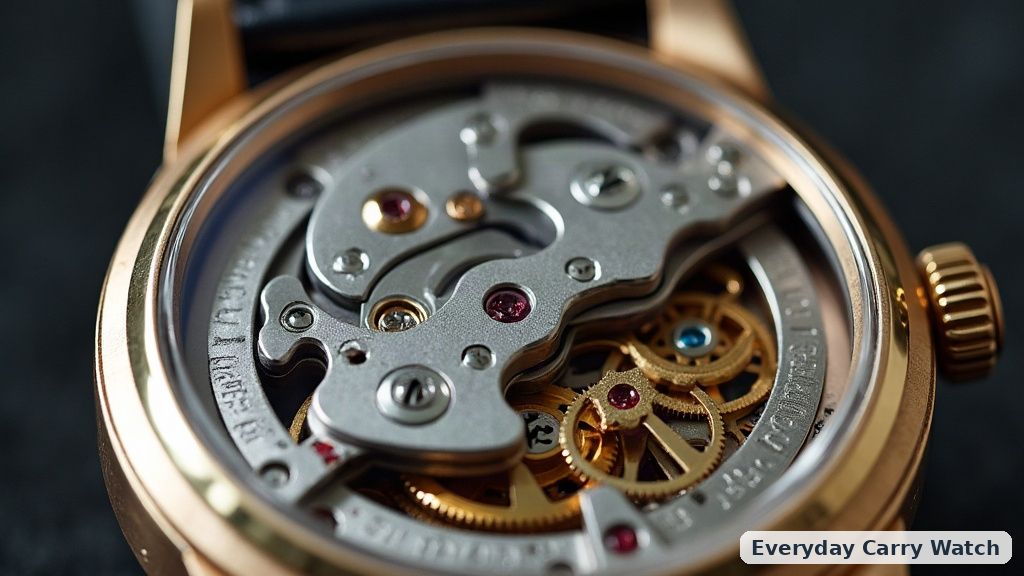
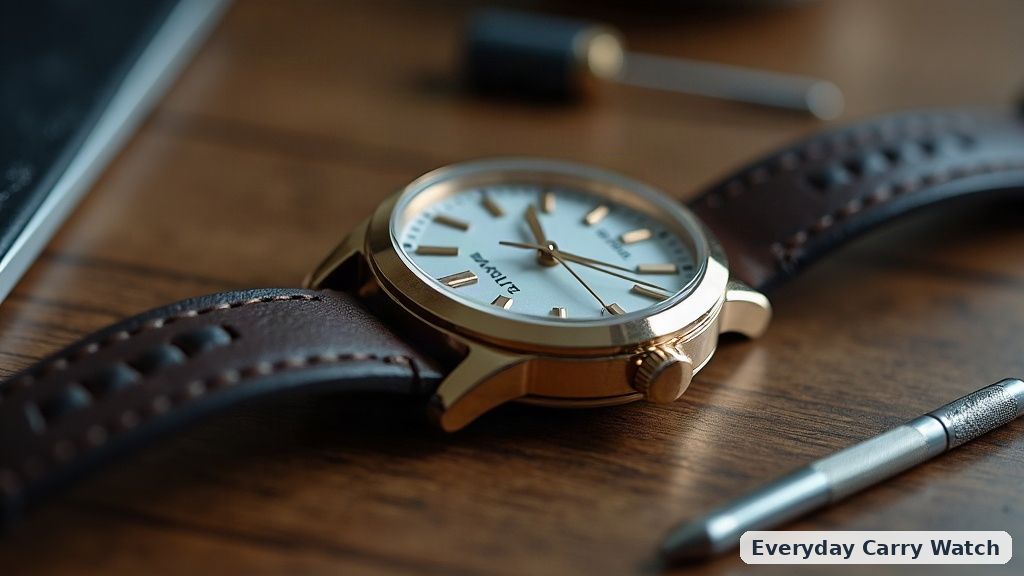
The lugs are the four “horns” on the case that hold the spring bars. Lug width is the distance between the two lugs on one side, measured in millimeters — and it’s the one dimension a strap MUST match exactly. A 20 mm strap will not fit an 18 mm or 22 mm gap properly: too wide won’t seat, too narrow leaves gaps and slides. Everything else (length, material, taper) is preference; lug width is a hard requirement.
| Spec | What it means | How to choose |
|---|---|---|
| Lug width | Gap between lugs (mm) | Must match your watch exactly |
| Strap length | Total length both halves (e.g. 115/75mm) | Match to wrist circumference |
| Taper | Width at lug → width at buckle | Taper (e.g. 22→18) = dressier; no taper = sporty |
| Buckle width | Width where the buckle sits | Follows the taper number |
| Thickness | Strap profile height | Thin = dressy; thick = rugged |
How do I measure my lug width?
Use a caliper or a ruler with millimeter marks: remove the strap (or measure the empty gap) and measure the inside distance between the lugs. Common sizes are 18, 20, and 22 mm, almost always an even number. If you land on an odd number, you probably measured slightly off — round to the nearest even. Many watch cases also print the lug width on the caseback or in the manual. This is different from sizing a metal bracelet’s fit, which is about removing links — see our watch band sizing guide for that.
What strap length do I need for my wrist?
Straps list two halves — the longer (12 o’clock) and shorter (6 o’clock) side, e.g. 115/75 mm. Standard length fits ~6.5–7.5 inch wrists; look for “XL” or “long” straps above that and “short” below. The buckle should land so 1–2 holes remain on either side for adjustment. Sizing the watch to your wrist proportionally is a separate question covered in what size watch should you wear.
Does the strap material change the fit?
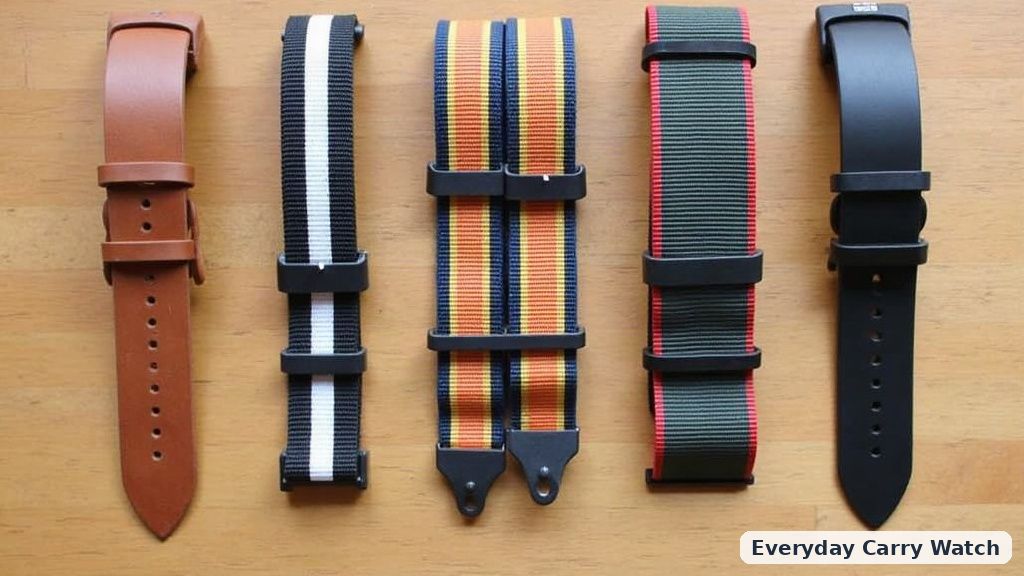
It changes comfort and how the watch wears more than the fit. Leather softens and molds over time; NATO straps add a few millimeters of height (the watch sits higher); rubber and silicone suit water and sport. None of that overrides lug width — but a thick strap on a small case (or vice versa) looks off, so match strap proportion to the case, a theme in our field vs dive watch guide. Whatever you choose, good habits keep it lasting; see how to take care of a watch.
📚 Related In-Depth Analysis
- Compare findings with our guide on Watch Crystal Types Explained.
- Compare findings with our guide on Affordable Watches For Men.
📚 Related In-Depth Analysis
- Compare findings with our guide on Field Watch Vs Dive Watch.
- Compare findings with our guide on Titanium Vs Stainless Steel Edc Watches.
🔧 Interactive Planning Tool
Need exact measurements for your setup? Use our EDC Lug-to-Lug Wrist Sizing Engine to Calculate maximum lug-to-lug span and ideal case diameter for zero overhang.
The bottom line
Buy straps by lug width first — measure the gap between the lugs in millimeters (usually 18/20/22) and match it exactly; nothing else fits if this is wrong. Then pick length for your wrist and taper/material for style. With those three numbers you can change a watch’s whole character in two minutes, no tools beyond a spring-bar tool required.